Advisory
Opportunity screening, feasibility, technical evaluation, project structuring, ESG and carbon support.
VGAS is an India-focused environmental advisory and project-development platform working across biomass, waste, water, carbon and circular-economy solutions.
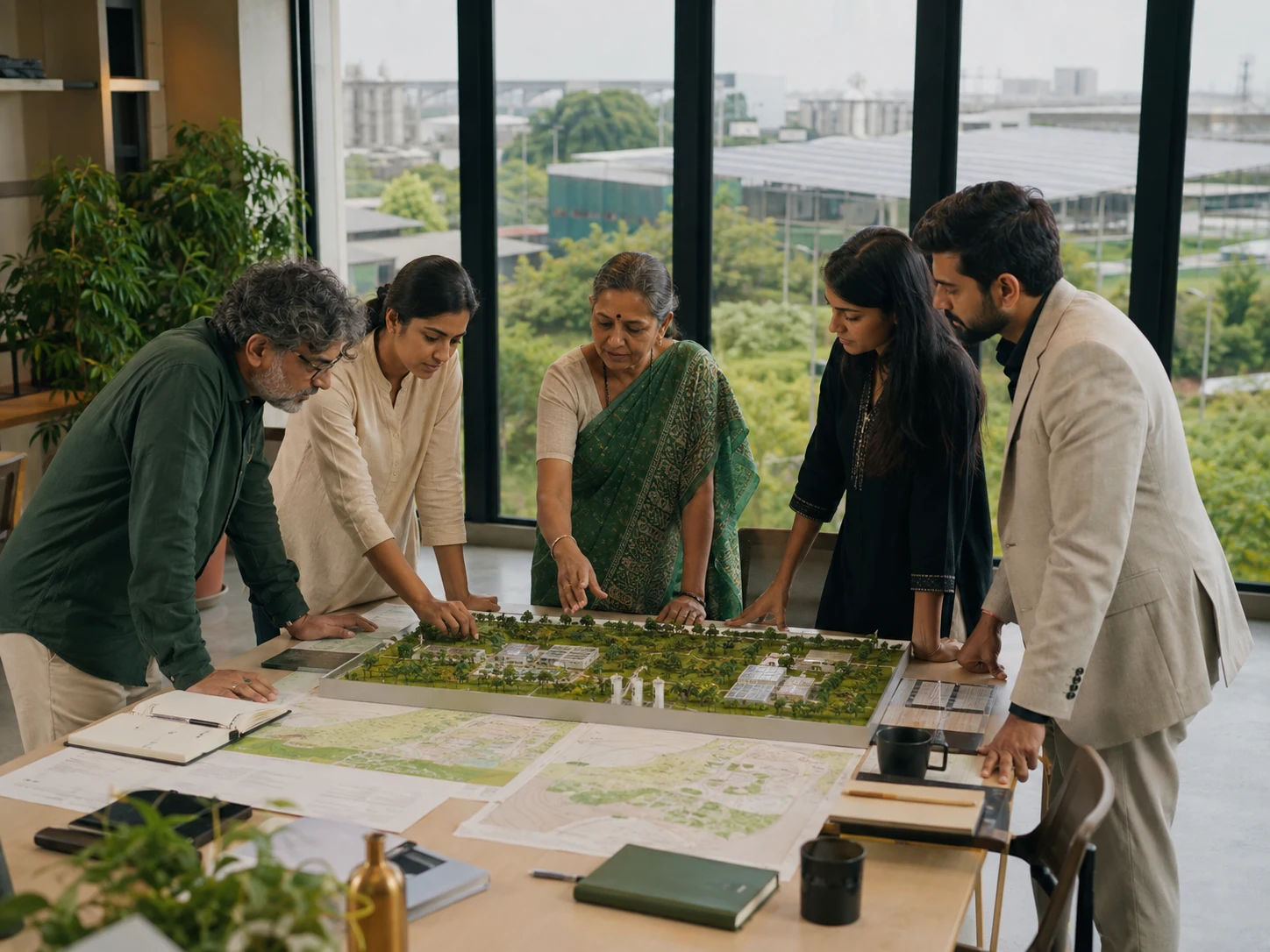
VGAS coordinates the work required to move from an environmental idea to a technically and commercially considered project.
Opportunity screening, feasibility, technical evaluation, project structuring, ESG and carbon support.
Site, feedstock, technology, partners, commercial model, documentation and implementation planning.
Qualified engineering, technology, construction, laboratory, market and specialist partners.
We prefer defensible assumptions, tested inputs, realistic economics and measurable outcomes.
Projects are designed around local feedstock, logistics, operating capacity, markets and regulation.
VGAS engages qualified partners according to each assignment rather than overstating in-house capabilities.
Projects advance only after technical, commercial and implementation risks are progressively evaluated.
To build a credible platform that enables scalable environmental and circular-economy projects across India.
To connect environmental opportunities with appropriate technology, expertise, implementation capacity, markets, measurement systems and capital.
Whether you're an investor, project owner or technology partner, tell us where you are.